
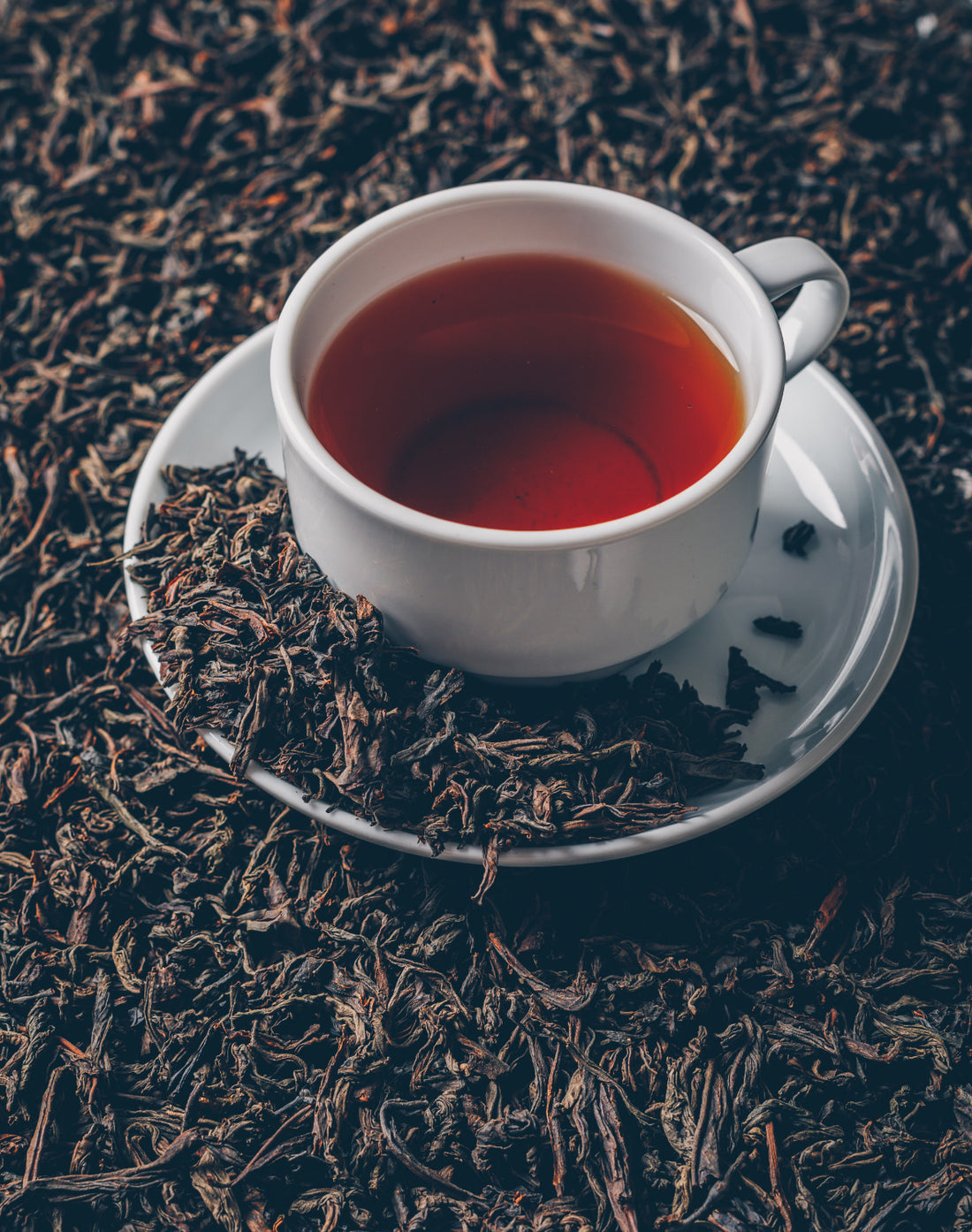
The benefits of red tea or Pu-erh
Share
Properties of Red Tea or Pu-Erh:
Red tea, also known as Pu-erh or Phur Erh, is a type of post-fermented tea originating from the Yunnan province in China. It is made from the leaves of the Camellia sinensis plant, the same plant used to produce green tea, black tea, and other types of tea.
What distinguishes red tea from other types of tea is its fermentation process. After harvesting, the tea leaves undergo a process of wilting and rolling. They are then left to ferment for a longer period of time compared to other teas. During this fermentation, bacteria and yeasts present in the leaves gradually transform the tea's components, giving it its characteristic flavor and aroma.
Red tea is sold in two main forms: raw red tea (Sheng) and ripened red tea (Shou). Raw red tea undergoes a natural fermentation over a long period of time, while ripened red tea goes through an accelerated process of controlled fermentation using heat and humidity. Raw red tea usually has a fresher, more herbaceous flavor, while ripened red tea is darker, smoother, and earthier.
Red tea has been traditionally valued for its potential health benefits, such as aiding digestion, reducing cholesterol, promoting weight loss, and having antioxidant properties. In addition, many red tea drinkers appreciate its complex and unique flavor.
Benefits of Red Tea or Pu-Erh:
Here are six potential health benefits of red tea or Pu-erh:
-
Digestion and metabolism: Red tea has been traditionally used to improve digestion and boost metabolism. Some studies have found that the active compounds in red tea can help reduce fat absorption in the gut and improve the digestion of fatty foods.
-
Cholesterol reduction: Red tea may help lower blood cholesterol levels, according to some studies. Compounds present in red tea have been found to reduce "bad" LDL cholesterol levels in the body.
-
Weight loss: Red tea may also help promote weight loss, although more studies are needed to confirm this benefit. It is believed that the active compounds in red tea can increase metabolism and fat oxidation, which may help reduce body fat accumulation.
-
Antioxidant properties: Red tea contains antioxidants that can help protect body cells against oxidative damage caused by free radicals. Antioxidants can also help reduce inflammation in the body.
-
Improved cardiovascular health: The compounds present in red tea can help improve cardiovascular health by reducing LDL cholesterol and triglyceride levels in the blood, and by improving blood circulation and reducing inflammation in blood vessels.
-
Stress reduction: Red tea contains compounds that can help reduce stress levels and improve mood. These compounds can help reduce anxiety and improve the general sense of well-being.
How to distinguish if a red tea is of good quality?
To differentiate quality red tea, it is important to consider several factors. Here are some guidelines that can help you identify high-quality red tea:
-
Origin: Authentic red tea comes from Yunnan province in China. Pay attention to the tea's origin and look for those that clearly state they are from Yunnan.
-
Type of leaves: Quality red tea leaves are usually large, whole, and uniform. Avoid those that contain leaf fragments or dust, as this may be an indication of inferior quality.
-
Aroma and flavor: Quality red tea should have distinct aroma and flavor. It can have earthy, sweet, or fruity notes, but overall, it should be pleasant and balanced. Avoid red teas that have an unpleasant smell or taste, such as a damp aroma or excessive bitterness.
-
Fermentation and aging: High-quality raw red tea (Sheng) benefits from proper aging, which allows it to develop its unique flavor and characteristics over time. On the other hand, ripened red tea (Shou) must have undergone a well-controlled fermentation process to ensure a smooth and balanced flavor.
-
Visual appearance: Quality red tea usually has a uniform, dark color. However, keep in mind that the color can vary depending on the type of red tea and the degree of fermentation.
-
Reliable supplier: Sourcing quality red tea from reliable suppliers is crucial. Look for specialized tea shops or recognized suppliers who have a good reputation for selling authentic and quality teas.
Remember that tea quality can be subjective and may vary according to personal tastes. Experiment with different varieties and brands to discover which type of red tea best suits your preferences.
At Sabor de Té, we have a variety of the highest quality Red Tea that can be found in Spain. Below is the link with all the varieties of Pu-Erh that we offer