
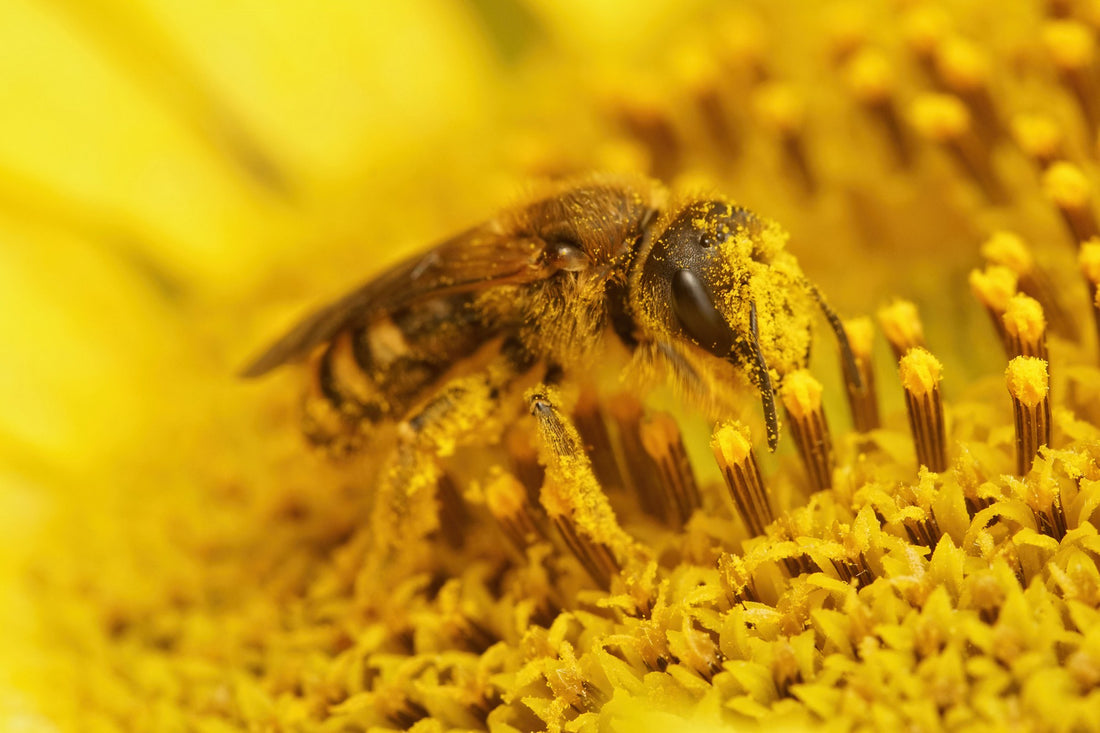
Bee Pollen: A Nutritional Treasure from Nature
Bee pollen, known as "bee gold," is a natural product that has been valued for its nutritional and medicinal benefits throughout history. This tiny granule, collected by bees as they pollinate flowers, has captured the attention of those seeking a complete and natural source of nutrients. In this article, we will explore the various aspects of bee pollen, from its composition to its uses in health and cuisine.
History of Bee Pollen
The history of bee pollen dates back to ancient civilizations that recognized its healing properties. Ancient Egyptians, for example, consumed bee pollen to promote health and longevity. The Greeks also valued this natural treasure, considering it a source of energy and vitality.
Over time, the properties of bee pollen have been further studied, and modern science has supported many of the ancient beliefs. Studies have shown its positive effects on cardiovascular health, immune function, and physical endurance.
Composition of Bee Pollen:
Bee pollen is a rich source of essential nutrients. It contains complete proteins, essential amino acids, vitamins, minerals, and antioxidants. Its unique nutritional profile makes it an ideal supplement for those looking to improve their health holistically.
The proteins present in bee pollen are crucial for cell growth and repair. Additionally, the diversity of essential amino acids it contains ensures a balanced intake for optimal metabolic functions. In terms of vitamins, bee pollen provides a wide range, including B complex, vitamin C, and vitamin E, all essential for maintaining a strong immune system and promoting skin health.
As for minerals, bee pollen is a concentrated source of zinc, iron, calcium, and magnesium. These minerals play a key role in functions such as bone formation, blood clotting, and nervous system health. Furthermore, its antioxidant content, which includes flavonoids and carotenoids, helps combat oxidative stress and protects cells against damage caused by free radicals.

Traditional and Modern Uses of Bee Pollen
Throughout history, various cultures have recognized the benefits of bee pollen and used it for medicinal purposes. In traditional Chinese medicine, for example, it has been used to improve energy, strengthen the immune system, and promote longevity. In Ayurvedic medicine, it is considered a rejuvenating tonic and is used to balance the doshas.
Today, bee pollen has been integrated into the modern diet as a superfood. It can be consumed in various forms, such as powder, capsules, or mixed with food. Many incorporate it into smoothies, yogurts, or salads to take advantage of its nutritional benefits. In addition, it has earned a place in the cosmetics industry, as its antioxidant properties can contribute to skin health.
Types of infusions that contain Bee Pollen:
Infusions with bee pollen are a delicious and nutritious way to incorporate this superfood into your daily routine. The versatility of bee pollen allows for the creation of infusions that are not only beneficial for health but also delicious. Below, we present some creative ideas for preparing infusions with bee pollen and making the most of its properties.
1. Tea infusion with Bee Pollen: A classic combination
Preparing a tea infusion with bee pollen is a simple and traditional way to enjoy this superfood. Start by choosing your favorite tea, whether green, black, or herbal. After preparing the infusion, add a teaspoon of bee pollen to the cup. You can sweeten it with honey if you wish. This combination will not only provide a unique flavor but also give you the nutritional benefits of both tea and bee pollen.
2. Citrus infusion with Bee Pollen: Freshness and nutrition
Combine the freshness of citrus fruits with the benefits of bee pollen in a refreshing infusion. Prepare a mixture of orange and lemon peels with fresh mint leaves. Add a tablespoon of bee pollen and pour hot water over the mixture. Let it steep for a few minutes before straining and enjoying. This infusion is not only revitalizing but also provides vitamin C and antioxidants thanks to the citrus and bee pollen.
3. Chamomile and Bee Pollen Infusion: Calm and nighttime nourishment
For those times when you seek to calm your body and mind, a chamomile infusion with bee pollen is the perfect choice. Chamomile is known for its relaxing properties, and by adding bee pollen, you further enhance its benefits. Prepare a cup of chamomile and add a teaspoon of bee pollen. This tea is ideal for drinking before bed, as it helps relax muscles and promote restful sleep.
4. Ginger and Bee Pollen Infusion: An energy boost
Combine the anti-inflammatory and stimulating properties of ginger with the nutrients of bee pollen for a revitalizing infusion. Peel and thinly slice a piece of fresh ginger and add it to hot water along with a teaspoon of bee pollen. Let the mixture steep for a few minutes and enjoy this energizing infusion that can also help relieve digestive discomfort.
Practical tips for preparing infusions with Bee Pollen:
- Use hot, but not boiling water, to preserve the properties of bee pollen.
- Experiment with different types of tea, herbs, and spices to discover new flavor combinations.
- Adjust the amount of bee pollen according to your personal preference and tolerance.
- Add honey or natural sweetener if you want to sweeten your infusion.
By incorporating bee pollen infusions into your daily routine, you will not only enjoy unique flavors but also nourish your body with the natural benefits of this extraordinary superfood. Discover new combinations and give your day a healthy boost with these delicious infusions!